
Mastering Homemade Pasta: A Step-by-Step Guide Using Double Zero Flour and a Cuisinart Pasta Attachment
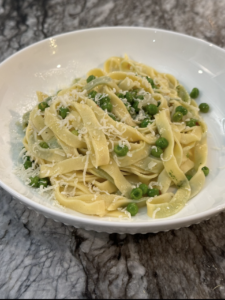 There’s something truly special about homemade pasta. The process of turning simple ingredients into silky, smooth pasta dough is both therapeutic and rewarding. Using double zero flour, or “00” flour, elevates the texture and taste of your pasta, resulting in a delicate and tender bite that’s hard to achieve with regular flour. In this blog post, I’ll walk you through the steps to create perfect homemade pasta from scratch using double zero flour and my trusty Cuisinart pasta attachment.
Why Double Zero Flour?
Double zero flour, often labeled as “00” flour, is a finely ground Italian flour that’s commonly used for making pasta and pizza dough. Its fine texture and low protein content create a smooth, elastic dough that’s ideal for pasta. This type of flour absorbs water differently than all-purpose flour, producing a dough that’s easy to work with and results in a superior finished product.
Ingredients
For the Dough:
- 2 cups double zero (00) flour
- 3 large eggs
- A pinch of salt
- A splash of olive oil (optional)
Instructions
Preparing the Dough
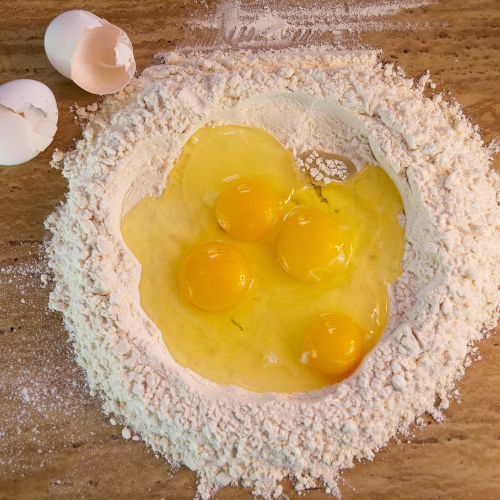
- Create a Flour Well: On a clean work surface, pour the flour into a mound. Use your fingers to create a well in the center, making sure the sides of the well are high enough to hold the eggs.
- Add Eggs and Salt: Crack the eggs into the well and add a pinch of salt. If you’re using olive oil, add a splash into the well as well. The oil can help create a more pliable dough.
- Mix the Dough: Using a fork, gently beat the eggs, gradually incorporating the flour from the sides of the well. Continue mixing until the dough starts to come together. At this point, you can start using your hands to knead the dough.
- Knead the Dough: Knead the dough by pressing it with the heel of your hand, folding it over, and rotating it a quarter turn. Continue kneading for about 10 minutes, or until the dough is smooth and elastic. If the dough is too sticky, add a bit more flour; if it’s too dry, add a few drops of water.
- Rest the Dough: Wrap the dough in plastic wrap and let it rest at room temperature for at least 30 minutes. This allows the gluten to relax, making it easier to roll out the dough later.
Rolling Out the Dough with a Cuisinart Pasta Attachment
- Attach and Prepare: Attach the pasta roller attachment to your Cuisinart stand mixer according to the manufacturer’s instructions.
- Divide the Dough: After resting, divide the dough into smaller, manageable portions. Keep the portions you’re not working with covered to prevent them from drying out.
- Flatten the Dough: Using your hands, flatten one portion of dough into a rough rectangle. Set your Cuisinart pasta attachment to the widest setting.
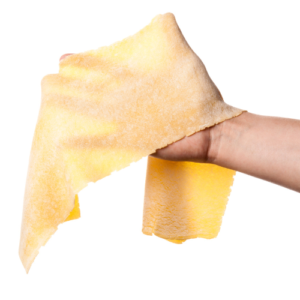
- Roll the Dough: Feed the flattened dough through the pasta attachment. Fold the dough into thirds and pass it through the roller again. Repeat this process 2-3 times, adjusting the setting to gradually decrease the thickness with each pass until you reach your desired thickness. For most pasta shapes, you’ll want the dough to be thin enough to see your hand through it.
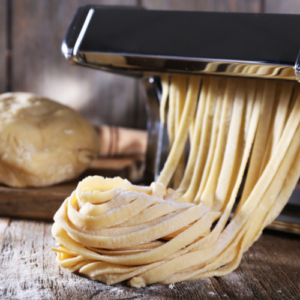
- Cut the Pasta: Once your dough is rolled out, switch to the cutting attachment of your Cuisinart. Feed the rolled-out dough through the cutter to create your desired pasta shape, such as fettuccine or tagliatelle. For shapes like ravioli, cut and fill the dough sheets manually.
Cooking the Pasta
- Boil Water: Bring a large pot of salted water to a boil. Fresh pasta cooks much faster than dried pasta, typically only taking 2-3 minutes.
- Cook the Pasta: Gently add the pasta to the boiling water, stirring occasionally to prevent sticking. Once the pasta floats to the top and is tender but still firm to the bite (al dente), it’s ready to be drained.
- Sauce and Serve: Toss the freshly cooked pasta with your favorite sauce and serve immediately. Whether you prefer a classic marinara, a rich Alfredo, or a simple olive oil and garlic sauce, fresh pasta will elevate any dish.
Tips for Perfect Homemade Pasta
- Work Quickly: Fresh pasta dough can dry out quickly. Work efficiently and keep any dough you’re not using covered.
- Flour Liberally: Dust your work surface and rolling pin with flour to prevent sticking. Use enough flour to keep the dough manageable but not too much that it becomes tough.
- Experiment with Flavors: Add herbs, spices, or even vegetable purees to your dough for unique flavors and colors.
Final Thoughts
Making homemade pasta from scratch is a culinary adventure that rewards you with delicious, fresh pasta every time. The use of double zero flour ensures a silky texture that’s perfect for a variety of pasta dishes. Incorporating the Cuisinart pasta attachment into your process makes rolling and cutting the dough a breeze, allowing for consistent results with less effort. Whether you’re a seasoned cook or a kitchen novice, this guide will help you create pasta that’s sure to impress. So roll up your sleeves, dust off your apron, and enjoy the process of creating homemade pasta – it’s a labor of love that brings a touch of Italian tradition to your kitchen.
Check out my recipe for Homemade Pasta here!
Buon appetito!